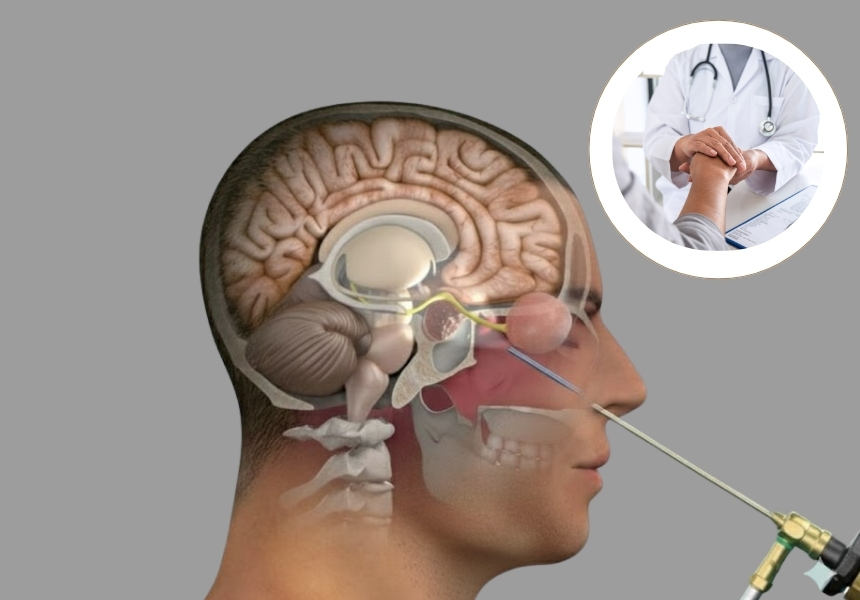
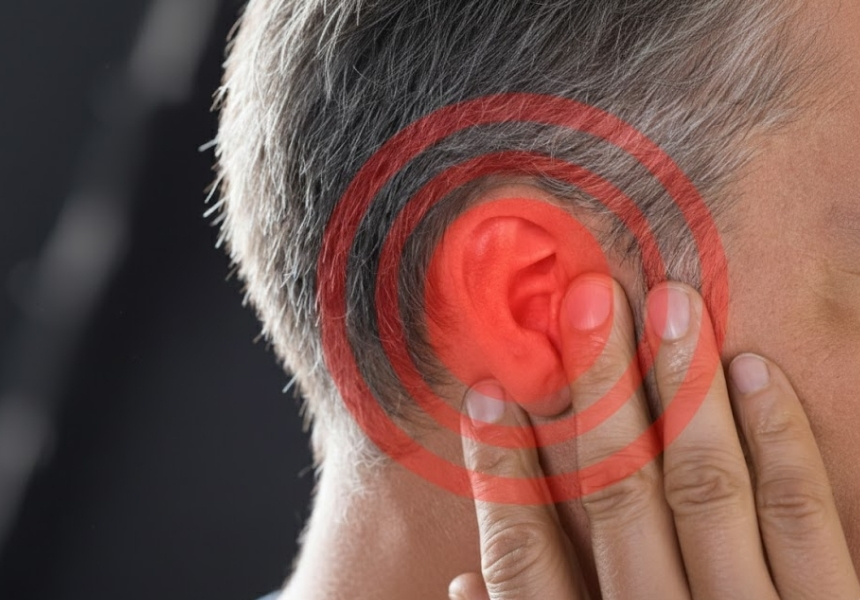
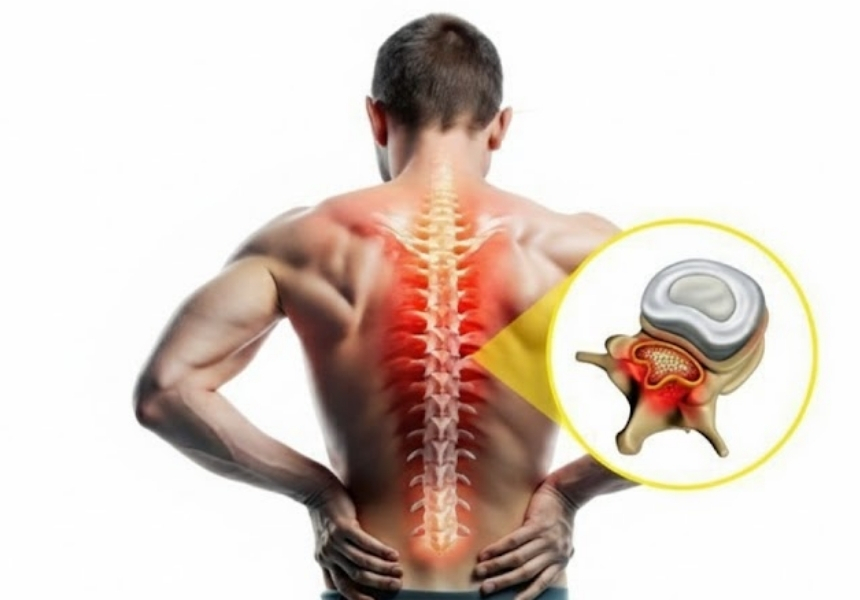
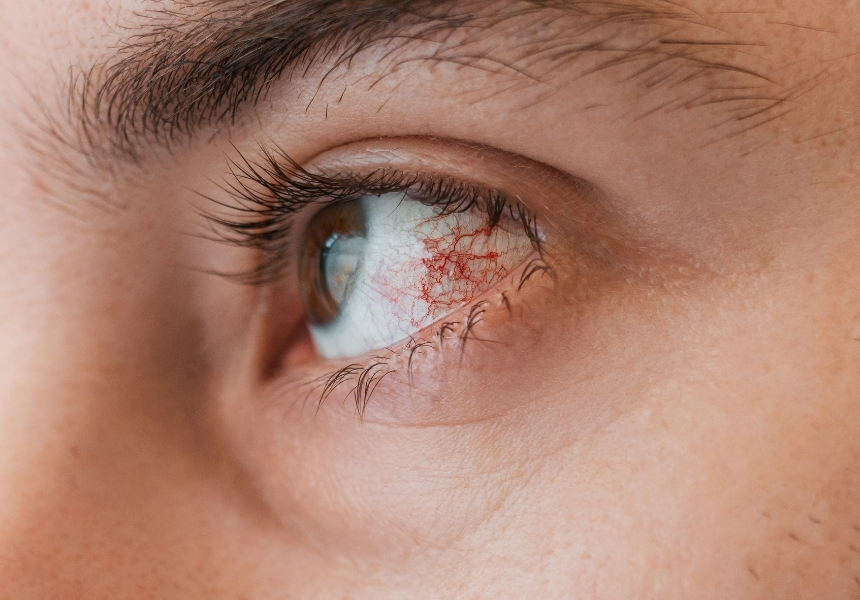
Ensure Rapid Pathways, Precise Imaging, and Expert Neurointerventional Solutions for every Patient
Dr. Savyasachi Jain — Recognized Among India’s Leading Neuroradiologists and Neurointerventional Surgeons

About Us

Dr. Savyasachi Jain – Neurointerventional & Diagnostic Neuroradiology Specialist, New Delhi

For us, care is defined by precision, empathy, and unwavering dedication. We believe every patient deserves more than a diagnosis — they deserve clarity, reassurance, and personalized guidance. Through advanced neurointerventional techniques and a deeply patient-centric approach, we ensure that your journey is supported with expertise, compassion, and respect. Your well-being remains at the center of every decision we make.


Our Services


Minimally Invasive Procedures
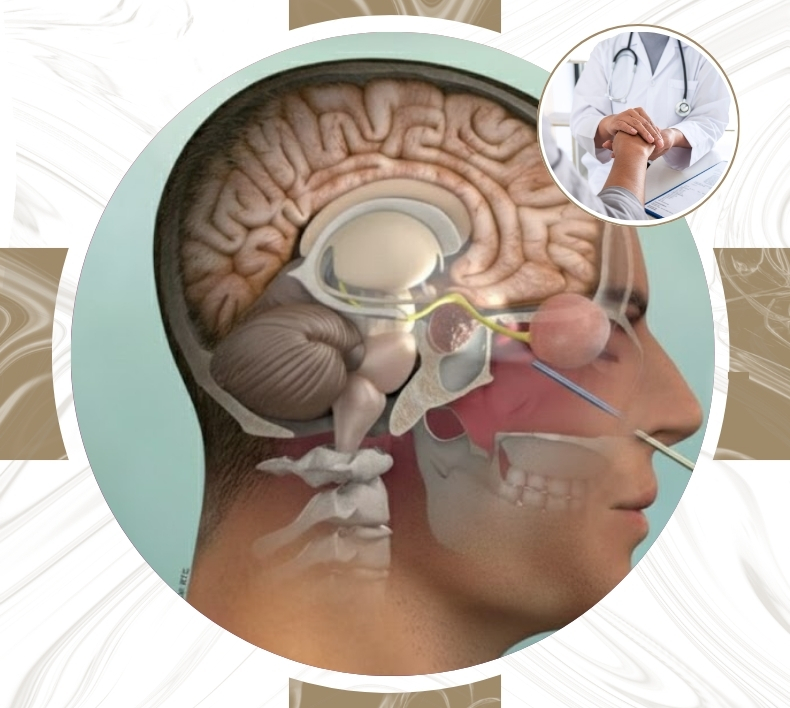
We offer a wide range of minimally invasive neurointerventional treatments designed to reduce discomfort, shorten recovery time, and deliver safe, effective results.

Precision Diagnostics
Using state-of-the-art imaging and refined diagnostic skills, we provide highly accurate evaluations that form the foundation of individualized treatment plans.

Patient-Centered Care
From consultation to recovery, we focus on comfort, communication, and safety, ensuring that every patient feels supported and fully informed.


The Heart of Our Work


Our Goal – Transforming Healthcare Through Innovation
We aim to improve patient outcomes through advanced, minimally invasive neurointerventional techniques that prioritize safety, precision, and faster recovery.

Our Expertise – Pioneering Excellence in Interventional Radiology
With extensive experience in complex neurological interventions, we combine clinical mastery with modern technology to deliver accurate, outcome-driven care.

Our Mission – Redefining What’s Possible in Interventional Care
Committed to continuous learning and innovation, we strive to expand the possibilities in neurointerventional radiology, offering transformative treatments that elevate patient quality of life.

  • 7+

    Years of Experience in Neurointerventional Surgery

  • 5+

    Gold Medals For Outstanding Academics and Research

  • 3K+

    Diagnostic Neuroradiology Interventions Performed

  • 150+

    Stroke Patient Helped and Prevented Complications

Our Healthcare Services

Comprehensive Diagnostic & Therapeutic Neuroradiology Services
Comprehensive Diagnostic & Therapeutic Neuroradiology Services
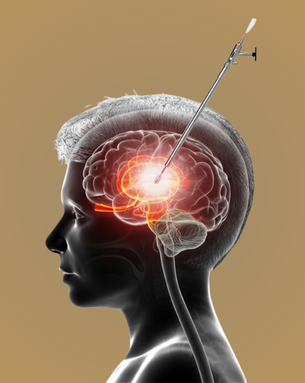
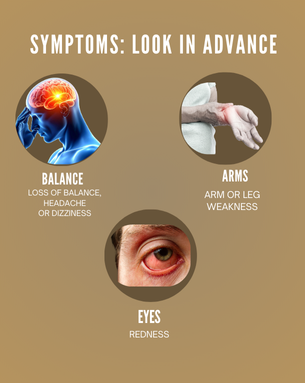
Symptoms: Look in Advance
Comprehensive Diagnostic & Therapeutic Neuroradiology Services
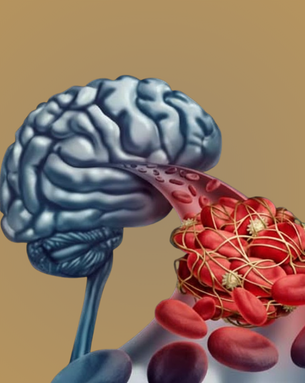
Treatments: Minimally Invasive and Effective
Comprehensive Diagnostic & Therapeutic Neuroradiology Services
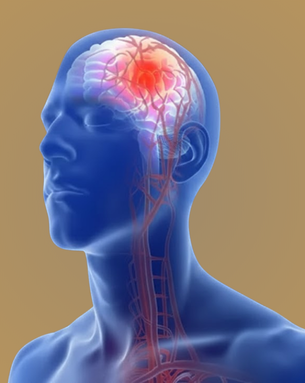
Brain Aneurysms
Comprehensive Diagnostic & Therapeutic Neuroradiology Services
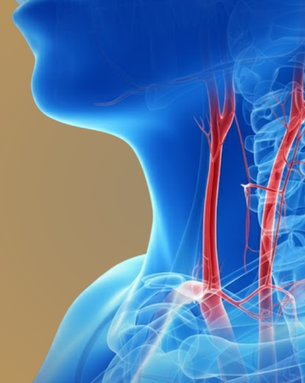
Stroke (Acute Ischemic & Hemorrhagic)
Comprehensive Diagnostic & Therapeutic Neuroradiology Services
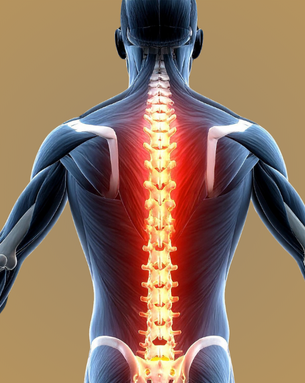
Carotid & Vertebral Artery Disease
Comprehensive Diagnostic & Therapeutic Neuroradiology Services
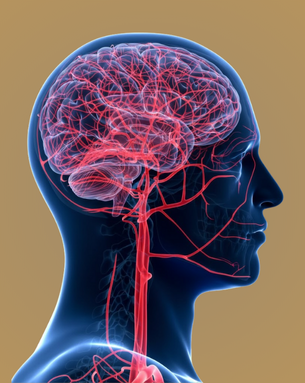
Spinal Vascular Malformations
Comprehensive Diagnostic & Therapeutic Neuroradiology Services
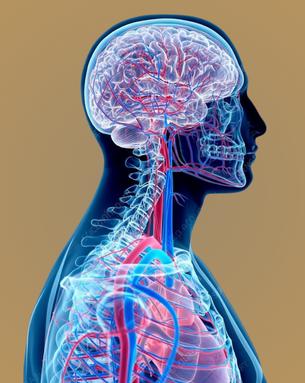
Brain AVM (Arteriovenous Malformation)
Comprehensive Diagnostic & Therapeutic Neuroradiology Services
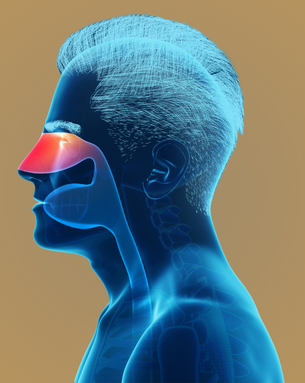
Head & Neck Vascular Disorders
Comprehensive Diagnostic & Therapeutic Neuroradiology Services
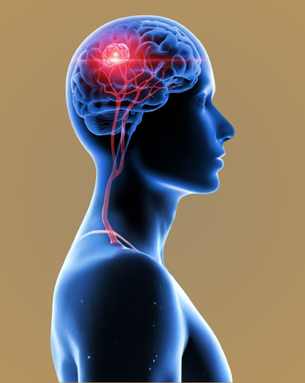
Venous Sinus Stenosis / IIH
Comprehensive Diagnostic & Therapeutic Neuroradiology Services
Tumor Embolization

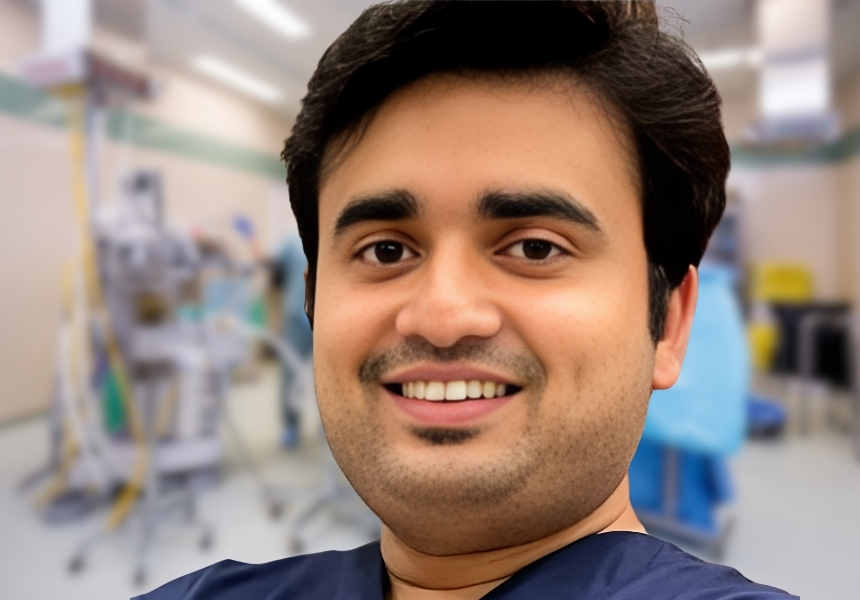
Dr. Savyasachi Jain

Neurovascular Interventionist, Neurosurgeon

Call
Video Call
In person
Dr. Savyasachi Jain
Qualification:MBBS (Hons.), MD (Gold Medalist, Hons.), DM (AIIMS, Delhi)
Experience:5.0 Years
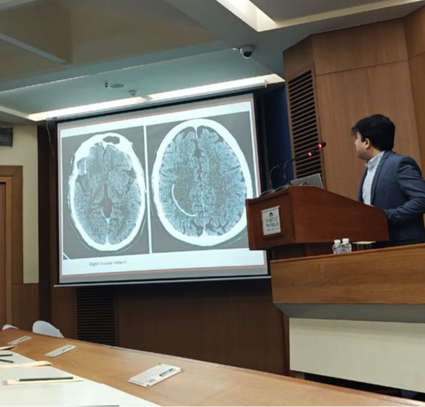
Dr. Savyasachi Jain is a highly trained specialist in Neurointerventional and Diagnostic Neuroradiology, with advanced expertise in the endovascular treatment of complex brain and spine vascular disorders. His strong academic foundation comes from AIIMS, New Delhi, where he completed his DM in Neuroimaging and Interventional Neuroradiology (2021–2024). Before this, he earned his MD in Radiodiagnosis from VMMC & Safdarjung Hospital, graduating as a Gold Medalist with Honours. His training includes advanced neurovascular imaging, teleradiology, PACS systems, and high-precision endovascular procedures. Dr. Jain’s clinical skills span aneurysm coiling and flow diversion, AVM and dural AVF embolization, stroke thrombectomy, carotid and intracranial stenting, venous stenting, and pre-operative tumor embolization. He is equally proficient in diagnostic neuroradiology, including MRI, CT, perfusion imaging, spinal evaluation, and complex neurovascular assessment. Recognized for his precision, composed decision-making, and systematic clinical approach, Dr. Jain is committed to providing evidence-based, minimally invasive neurovascular care. His work blends academic excellence, research involvement, and compassionate patient management, making him a trusted and emerging leader in endovascular brain and spine treatment.

Media Pictures

media
media
media

Frequently Asked Questions

Need Answers? Find them here...

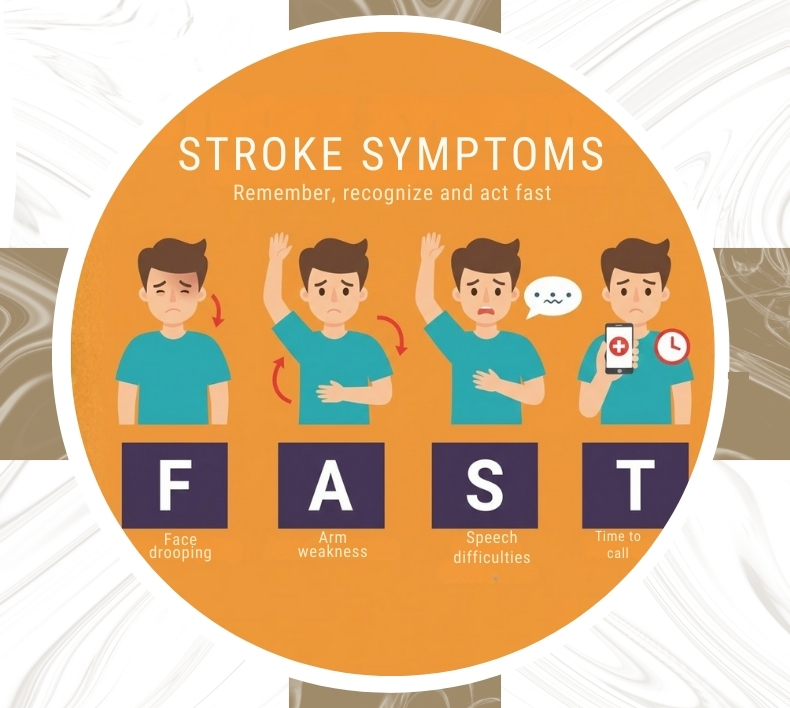
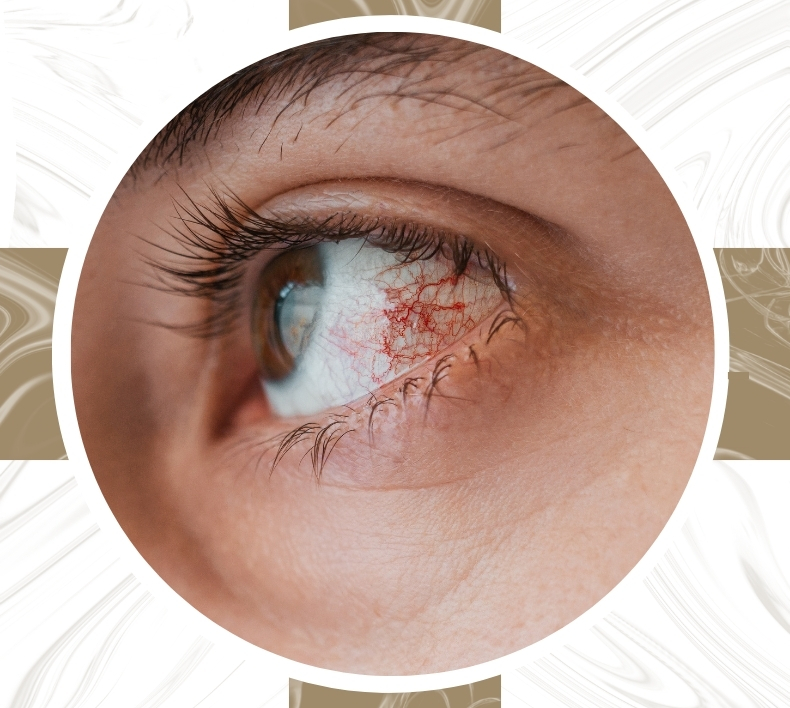
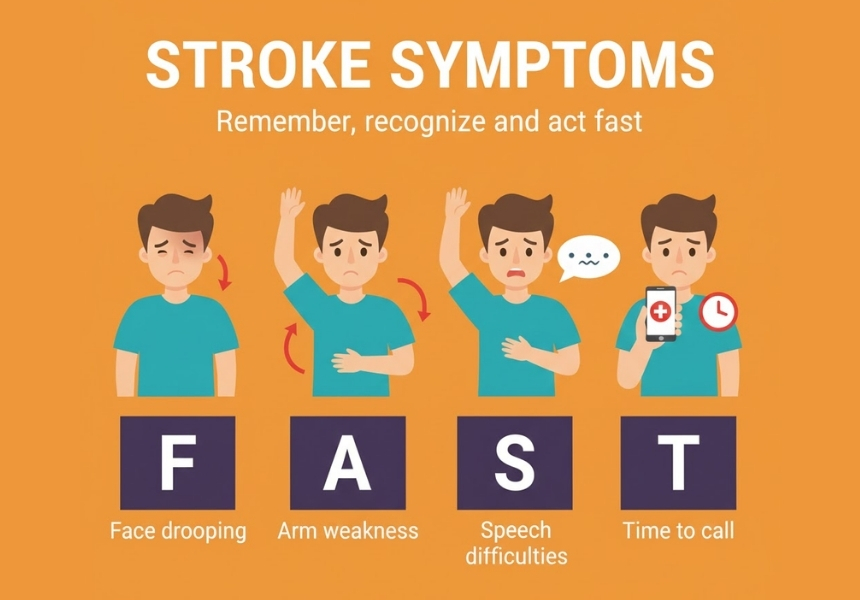
Sudden weakness, difficulty speaking, severe headache, vision changes, dizziness, or loss of consciousness require immediate assessment by a neurointerventional expert. These symptoms may indicate stroke, aneurysm rupture, AVM/AVF, carotid stenosis, or venous thrombosis. Early evaluation ensures rapid diagnosis using CT/MRI and timely intervention such as thrombectomy, coiling, or embolization. Quick action significantly improves recovery, reduces long-term disability, and can be lifesaving. Patients experiencing these warning signs should seek emergency medical attention without delay.

A brain aneurysm is a weakened, balloon-like area in a blood vessel that can rupture and cause a life-threatening hemorrhage. Treatment depends on its size, shape, and location. Minimally invasive procedures like coiling or flow diversion safely block the aneurysm from the inside without open surgery. These interventions are performed through a small artery in the groin or wrist. With advanced endovascular technology, recovery is faster, risks are lower, and long-term outcomes are significantly improved.

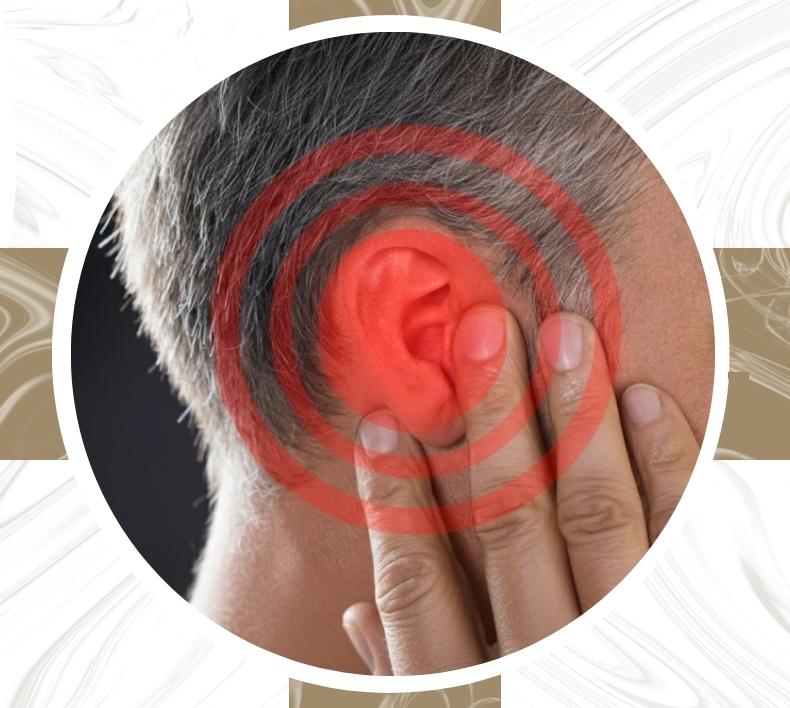
A brain AVM or dural AVF is an abnormal connection between blood vessels that can cause headaches, seizures, bleeding, or pulsatile noise. Treatment usually includes endovascular embolization, where doctors block abnormal vessels using special materials delivered through tiny catheters. Depending on complexity, multiple staged sessions may be needed. Some AVMs may require combined treatment with radiosurgery or surgery. Early evaluation helps prevent complications like brain hemorrhage, neurological deficits, or progressive symptoms.

Stroke thrombectomy is an emergency, minimally invasive procedure that removes a clot blocking a major brain artery. It is recommended for patients with sudden paralysis, speech difficulty, or vision loss caused by large-vessel ischemic stroke. Performed via a tiny catheter, it restores blood flow rapidly, reducing brain damage. It must be done within a time-critical window, typically up to 24 hours depending on imaging. Thrombectomy significantly improves the chances of recovery and long-term independence.

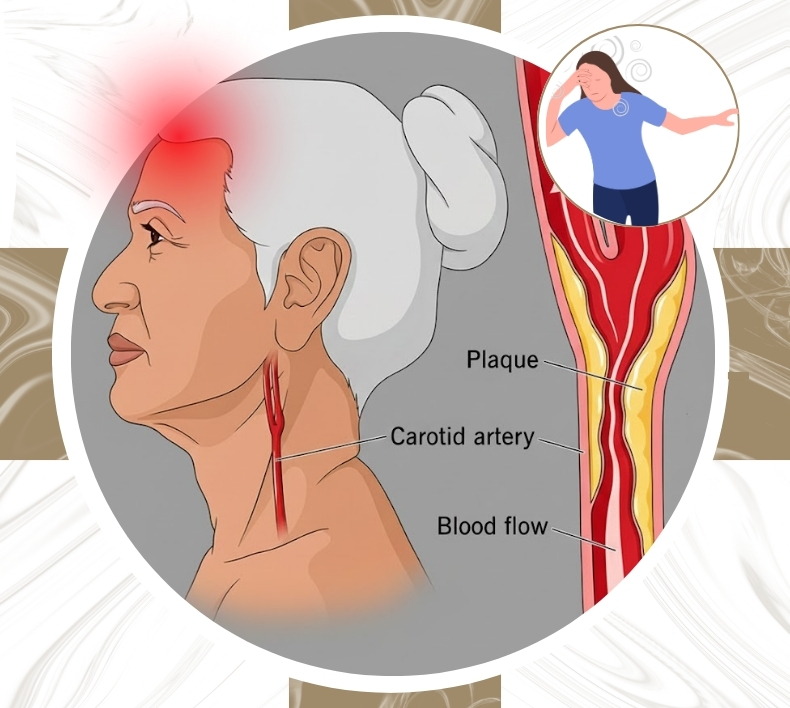
Carotid and intracranial stenting are used when arteries supplying the brain become dangerously narrowed due to plaque buildup. Patients with symptoms such as recurrent stroke, transient weakness, vision loss, or dizziness benefit from these treatments. Stenting opens the blockage and stabilizes blood flow, reducing stroke risk. Using advanced imaging and micro-catheters, the procedure is minimally invasive and offers a faster recovery compared to surgery. It is often suggested when medication alone is insufficient.

Venous sinus stenting treats conditions caused by narrowed brain veins, such as idiopathic intracranial hypertension (IIH) or severe headaches with vision problems. Patients with high intracranial pressure, papilledema, or venous sinus thrombosis may benefit. The procedure widens the blocked venous channel, improving drainage and reducing pressure. It is performed through a small catheter without open surgery. Many patients experience relief from headaches, reduced swelling of the optic nerve, and improved quality of life.

Brain tumor embolization is a pre-surgical or standalone treatment used to shrink or devascularize tumors by blocking their blood supply. Through a small catheter inserted into an artery, specialized agents are used to cut off the tumor’s blood flow. This reduces bleeding risk during surgery and makes tumor removal easier and safer. Some complex tumors may require staged embolization. It is commonly used for meningiomas, head and neck tumors, and vascular tumors requiring surgical intervention.

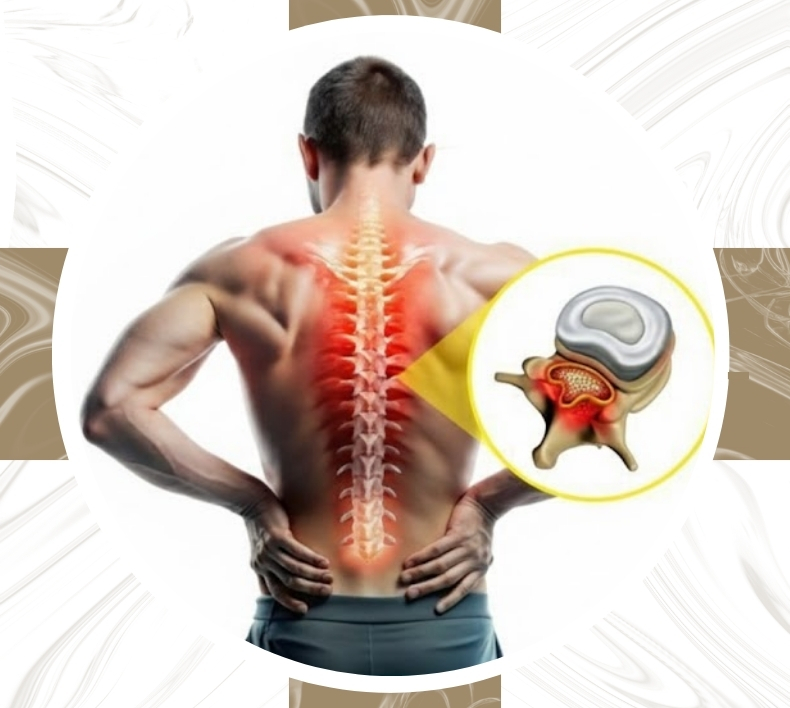
Spinal AVFs and vascular malformations are abnormal vessel connections that can cause back pain, leg weakness, tingling, or bladder issues. Early diagnosis is crucial because untreated lesions may lead to progressive spinal cord damage. Treatment involves endovascular embolization, where abnormal vessels are sealed off through micro-catheters. This prevents further neurological deterioration and stabilizes symptoms. Many patients experience improvement in mobility, pain, and long-term functional outcomes when treated on time.

Diagnostic neuroradiology uses advanced imaging—MRI, CT, angiography—to diagnose brain, spine, and vascular disorders accurately. It plays a crucial role in identifying stroke, aneurysms, AVMs, tumors, infections, and nerve-related conditions. High-resolution scans guide treatment planning and help determine whether a patient needs surgery, medication, or a minimally invasive intervention. Modern imaging ensures early detection, reduces complications, and provides precise mapping for complex neurovascular procedures, improving patient safety and outcomes.

Embolization is a highly safe, minimally invasive procedure performed through tiny blood vessels using advanced imaging guidance. Recovery is usually quick, often requiring only 1–2 days of observation. Most patients resume normal activities within a week. Risks are significantly lower than open surgery. The procedure is tailored to each patient’s condition, ensuring maximum benefit while protecting surrounding brain structures. Close follow-up helps monitor healing and long-term outcomes.

Before any procedure, patients undergo detailed imaging such as MRI, CT, or angiography to map the blood vessels. They may need routine blood tests and medication adjustments. Fasting for a few hours is usually required. Patients should inform the doctor about allergies, blood thinners, or existing medical conditions. The care team explains the procedure, recovery expectations, and postoperative restrictions. Proper preparation helps ensure safety, reduces complications, and results in better procedural outcomes.

A DM specialist from AIIMS brings advanced training, high-volume experience, and proficiency in the most complex neurovascular procedures. AIIMS expertise ensures mastery in stroke thrombectomy, aneurysm coiling, AVM/AVF embolization, stenting, and spine vascular interventions. Patients benefit from evidence-based protocols, precise diagnostics, and world-class procedural safety. Such specialists are equipped to manage emergencies, rare conditions, and high-risk cases while offering compassionate, personalized care and the latest medical innovations.

Location & Location Map

Location
addressAddress

Aakash Healthcare Super Speciality Hospital, Road No. 201, Dwarka Sector-3, Dwarka, New Delhi 110059, Delhi

Working Hours

MONDAYClosed
TUESDAYClosed
WEDNESDAYClosed
THURSDAYClosed
FRIDAYClosed
SATURDAYClosed
SUNDAYClosed

Contact Us

Contact Us

  • Email: savyasachijain1995@gmail.com
  • Phone: 9315382198

Website Powered by icareheal

© Dr. Savyasachi Jain 2025